Data is essential to every business, from customer records to financial files and communications. Even temporary data loss can disrupt operations and erode customer trust. Implementing a robust data recovery and backup solutions is not only sound IT Infrastructure Management but also a critical business decision.
The Real Cost of Data Loss
Data loss occurs more frequently and is more costly than many businesses expect. Causes include cyberattacks, hardware failures, and human error, often resulting in significant and immediate damage.
The most common causes of business data loss include:
- Ransomware and cyberattacks are increasingly targeting backup files, not just live systems.
- Accidental deletion, where employees mistakenly remove critical files or overwrite data
- Hardware failure from aging servers, hard drive crashes, or power surges
- Natural disasters such as floods, fires, and outages are wiping out on-site storage.
- Software corruption from system crashes and failed updates is damaging file integrity.
While the financial impact is substantial, reputational harm and lost productivity are often more difficult to overcome.
What Is a Data Backup Solution and Why Do You Need One?
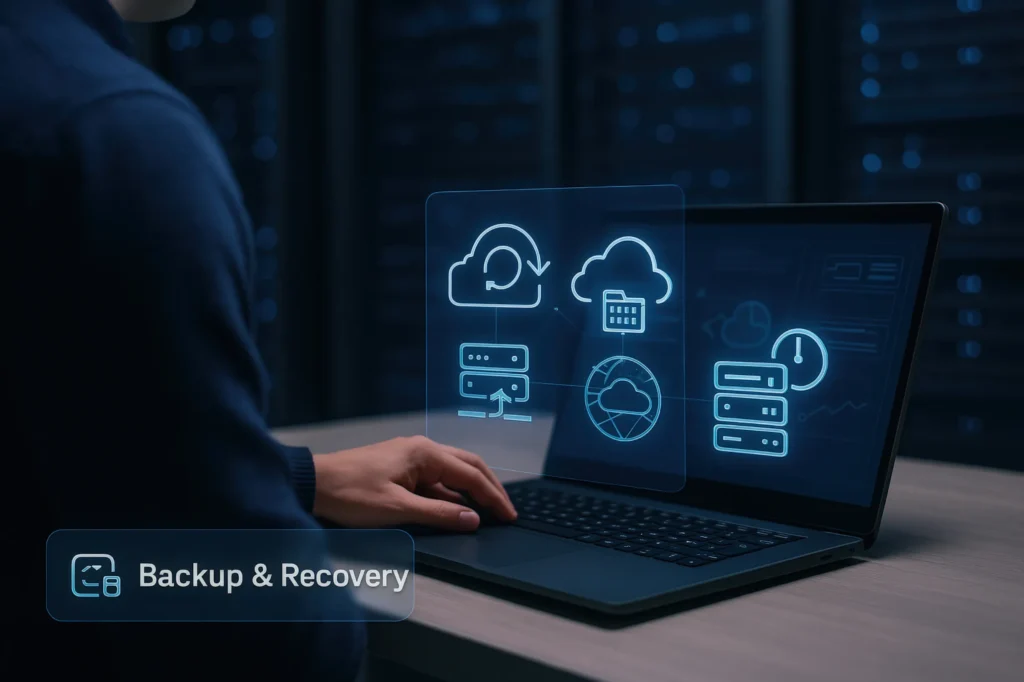
A data backup solution automatically copies your files and stores them securely for restoration when needed. Without this safeguard, a single incident could result in the permanent loss of data accumulated over years.
Modern backup solutions typically fall into three categories:
- On-site backup uses local storage such as external drives or servers. It offers fast access but remains vulnerable to physical damage.
- Cloud backup stores data offsite on remote servers, providing accessibility from any location and scalability as your business expands.
- Hybrid backup combines both methods, delivering the speed of local access and the security of cloud redundancy.
Understanding Data Recovery: More Than Just Restoring Files
Data recovery involves retrieving lost, damaged, or corrupted data following an incident. A backup is only effective if data can be restored quickly and completely. Recovery speed remains a top priority for IT professionals managing backup operations.
A strong data recovery plan should address:
- Recovery Time Objective (RTO) covering how fast you need systems back online after an outage
- Recovery Point Objective (RPO) defines how much data you can afford to lose, measured in terms of time.
- Regular recovery testing to verify that your backups actually work before you need them
- Immutable backups that cannot be altered or deleted, protecting against ransomware
- Offsite or cloud redundancy ensures no single point of failure can wipe out all your data.
Why Ransomware Makes Backup More Critical Than Ever
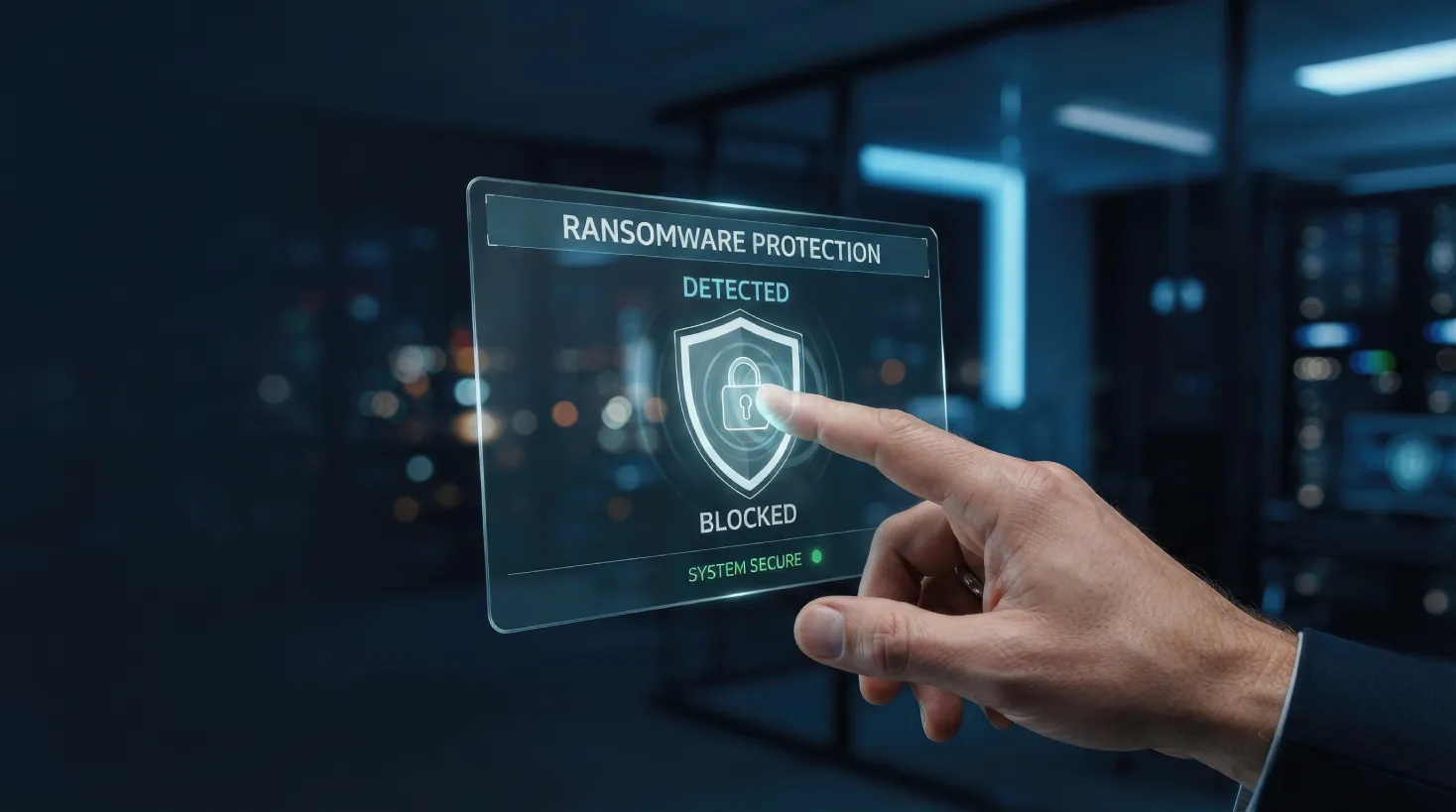
Protecting your backups from ransomware requires:
- Air-gapped or immutable storage with backups completely isolated from your live network
- Multi-factor authentication on all backup systems and admin accounts
- Encrypted backups so even if data is accessed, it cannot be used.
- Frequent, automated backup schedules reduce the window of data exposure.
- Incident response planning with a clear step-by-step protocol for when an attack occurs
A backup solution that does not address ransomware risks provides only a false sense of security.

Choosing the Right Data Recovery and Backup Solutions for Your Business
Backup solutions vary, and the best choice depends on your business size, industry, and data sensitivity. Modern solutions are increasingly affordable and accessible, with cloud options that scale to any business. It is essential to act now, as waiting until after data loss is too late.
When evaluating a backup and recovery solution, look for:
- Automated, scheduled backups with minimal manual oversight required
- Scalable storage that grows alongside your business needs
- Fast, reliable recovery with clear RTO and RPO benchmarks
- Ransomware protection, including immutable storage and anomaly detection
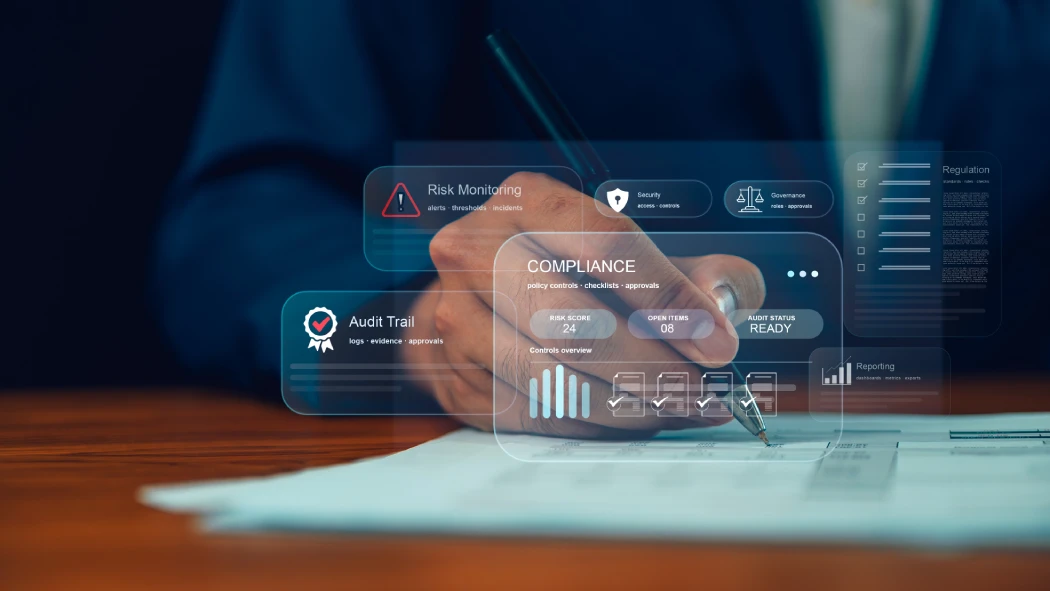
- Compliance support for industry regulations
Ultimately, data is your most valuable business asset. Investing in the right backup and recovery solution ensures your business’s survival and supports long-term growth.
Additional Tips to Protect Against Data Threats and Attacks
A strong backup plan is only one aspect of data protection. A layered security approach distinguishes businesses that recover quickly from those that do not. Consider these additional steps to reduce exposure to data breaches and ransomware:
- Apply the Zero Trust model by verifying every user and device before granting access, limiting how far an attacker can move inside your network.
- Keep software and systems updated by patching operating systems, applications, and firmware regularly to close exploitable security gaps.
- Train employees to spot phishing since most attacks begin with a deceptive email or link, making ongoing staff education one of your strongest defenses.
- Use network segmentation to divide your network into isolated sections so that if one area is compromised, ransomware cannot spread freely across your systems.
- Limit user access privileges by giving employees access only to the data and systems they need, reducing the blast radius of any breach.
- Conduct regular recovery drills so your team knows exactly what to do when it counts, long before a crisis hits
Conclusion: Don’t Wait for a Crisis to Protect Your Data
Data loss can affect any business at any time, but total loss is preventable. With the right backup and recovery solution, you can recover quickly, protect your customers, and maintain operations. The real question is whether you can afford to be without a backup plan.
Protect Your Business with Black Box Consulting
At Black Box Consulting, we specialize in tailored data recovery and backup solutions that keep your business protected, compliant, and resilient. Whether you are a small business looking for your first reliable backup system or an enterprise needing a full disaster recovery strategy, our certified team is here to help.